Switzerland's Regulatory Oversight of Instant Banking Transfers in Licensed Mobile Gambling Services
Ines Keller · Aug 20, 2026
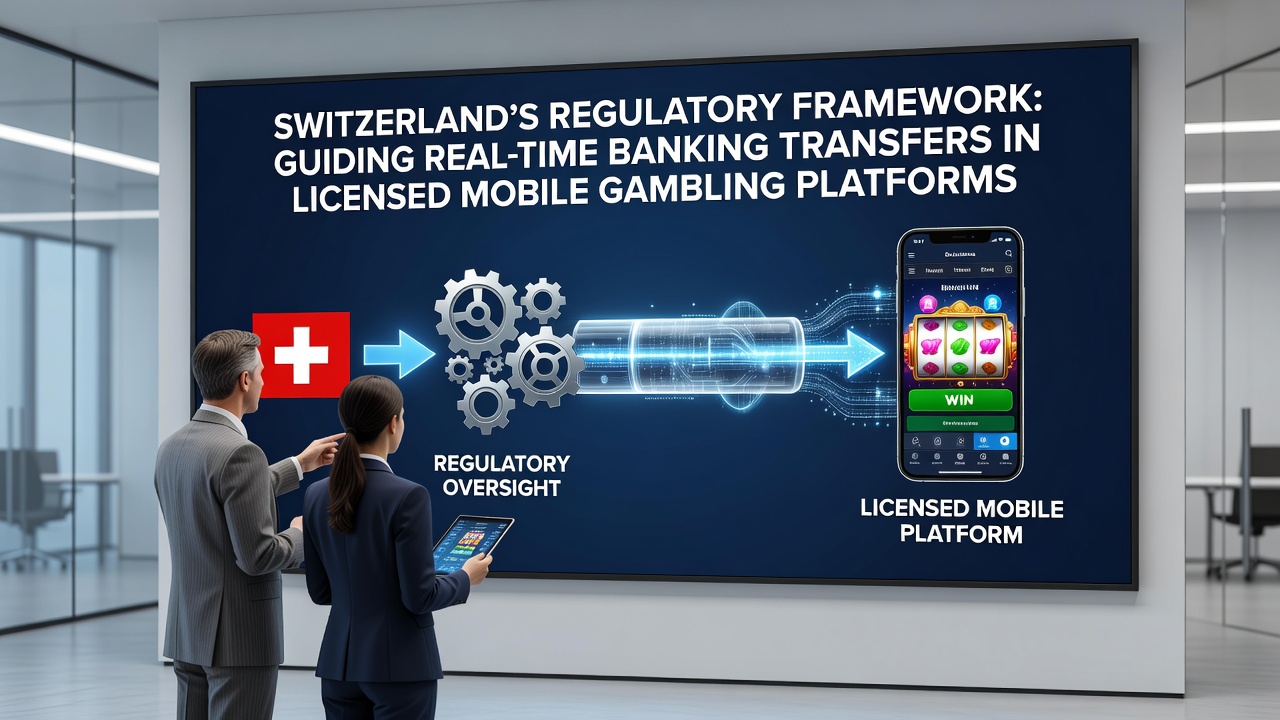
Switzerland's Regulatory Oversight of Instant Banking Transfers in Licensed Mobile Gambling Services
Switzerland maintains a structured system for overseeing financial operations within its licensed gambling sector, with particular attention directed toward real-time banking transfers on mobile platforms. The framework stems from federal legislation that separates responsibilities between the Swiss Confederation and individual cantons, creating layered approval processes for any payment method integrated into gambling applications. Licensed operators must demonstrate compliance with both anti-money laundering statutes and technical security standards before deploying instant transfer features. Data from regulatory filings indicate steady growth in mobile gambling activity, where users increasingly rely on systems that settle transactions within seconds rather than hours. Those who monitor the sector note that real-time capabilities reduce certain operational risks while introducing new verification requirements for identity and fund sources. The Swiss Federal Gaming Board evaluates each proposed integration, requiring documentation that proves the payment rail aligns with existing money transmission rules.Core Legislation Shaping Payment Integration
The Federal Act on Gambling and the associated ordinances establish baseline conditions that all licensed entities must satisfy when handling player funds. These rules mandate segregation of gambling accounts from operational accounts, along with audit trails that capture every transfer in real time. Operators seeking to implement instant banking solutions must submit detailed system architectures showing how data encryption and fraud detection mechanisms function during high-volume periods.
Because Switzerland operates under a dual licensing model, cantonal authorities retain authority over certain game types while federal bodies handle online casino and sports betting permits. This division means payment method approvals often involve coordinated reviews across multiple agencies, extending timelines for new technology adoption. Observers have documented cases where operators delayed mobile feature launches by several months to complete cross-jurisdictional documentation.
Technical Standards for Real-Time Transfers
Payment systems used in licensed mobile gambling must meet interoperability requirements set by the Swiss National Bank and align with the TWINT infrastructure widely adopted across the country. Real-time transfers trigger automated checks against sanctions lists and transaction monitoring thresholds, with suspicious activity reports generated automatically when patterns deviate from established player behavior. Research conducted by Swiss academic institutions shows these automated safeguards reduce manual review workloads while maintaining regulatory reporting accuracy.
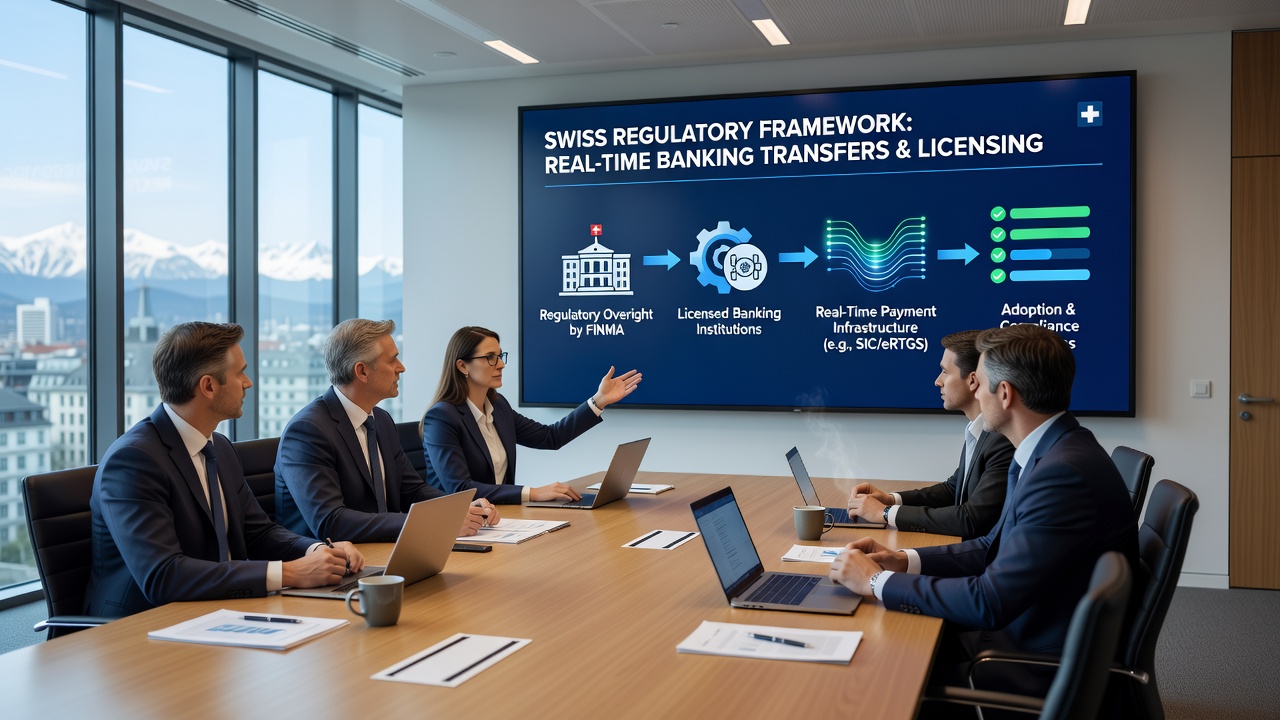
Platform providers must also demonstrate resilience against network outages, maintaining transaction logs that survive temporary connectivity losses. Testing protocols require simulation of peak load scenarios, including simultaneous withdrawals across thousands of accounts. Figures released by industry associations reveal that successful certification typically follows three to four rounds of independent security audits.
Compliance Pathways and Verification Procedures
Licensed operators follow a staged approval process that begins with concept submission and ends with live environment monitoring for an initial period after launch. Each stage incorporates feedback from both technical assessors and legal reviewers, ensuring payment flows remain traceable from player device to licensed operator account. Those responsible for compliance often coordinate with banking partners to confirm that underlying settlement rails satisfy federal liquidity requirements.
August 2026 marks a scheduled review point for updated technical guidelines covering biometric authentication within real-time transfer flows. Regulators expect operators to incorporate enhanced device fingerprinting and behavioral analytics by that date, aligning Swiss standards more closely with emerging European payment service directives without direct membership in those frameworks. Documentation circulated among industry participants outlines specific metrics that platforms must report quarterly once the new requirements take effect.
Interaction With Broader Financial Regulations
Switzerland's approach integrates gambling-specific rules with general financial market legislation, particularly provisions governing electronic payment institutions. This overlap requires gambling operators to maintain dual compliance records, one set focused on player protection and another addressing systemic financial stability. Cross-referenced audits occur periodically, with findings shared between the Federal Gaming Board and financial market supervisors to identify emerging risk patterns.
Industry reports from organizations such as the Swiss Federal Gaming Board document how these coordinated reviews have influenced the pace at which real-time features reach licensed applications. A separate analysis prepared by researchers at the University of St. Gallen examines transaction velocity data across multiple European jurisdictions, providing comparative context for Swiss policy decisions.
Conclusion
Switzerland's regulatory structure for real-time banking transfers in licensed mobile gambling continues to evolve through measured updates rather than abrupt shifts. The combination of federal oversight, cantonal involvement, and technical certification creates a deliberate process that prioritizes security and traceability. As August 2026 approaches, operators and regulators alike prepare documentation and system adjustments to meet the next wave of specified standards, maintaining the balance between innovation and control that characterizes the current framework.